Beyond a Single Tree
Shelterbelt rows, cedar, brush and wooded acreage cleared, with the debris handled the way the city and your fire district allow.
What Makes This Different
Clearing private ground around Columbus, Nebraska needs no tree permit from the city or Platte County; the only tree the city code claims is the boulevard tree (§ 96.05). The real questions are what stays and where the cut material goes.
The work here takes a few shapes: a 1950s or 60s shelterbelt of Siberian elm and Austrian pine lost to age and pine wilt, a pasture along the Loup gone to redcedar, an acreage near the Loup Power canal or Lake North getting a house or shop, or river bottom thick with cottonwood saplings, box elder and dogwood.
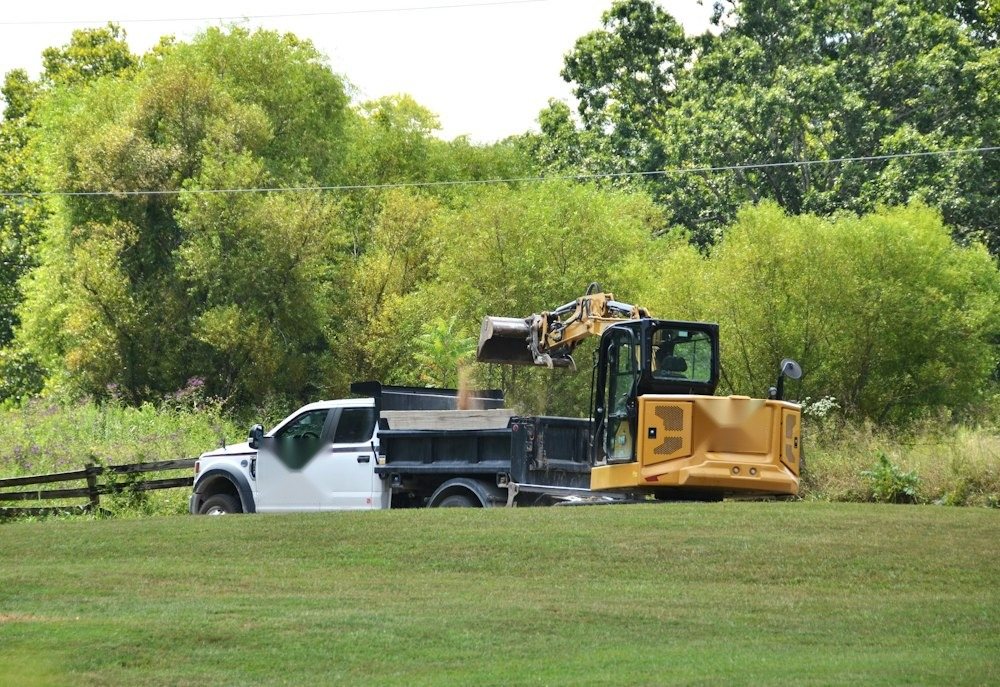
Our skid steer carries a mulching head, and the grapple and chipper come along. Because we are a tree crew first, the bur oaks and hackberries you keep get the same care as a backyard removal.
Where We Work
Clearing covers the farm country around Richland, Tarnov, Cornlea, Octavia, Rogers and Linwood too. Outside Columbus, the town office and the rural fire district set the rules. See every town we serve →
Dead windbreak rows come out so a new row can go in or the field edge can be farmed again. Around here that means pine lost to pine wilt, worn-out Siberian elm, borer-killed ash and cedar spreading into pasture. Wade grew up on a farm north of Platte Center and knows where pivot lines run. We can pull one row and spare its neighbor.
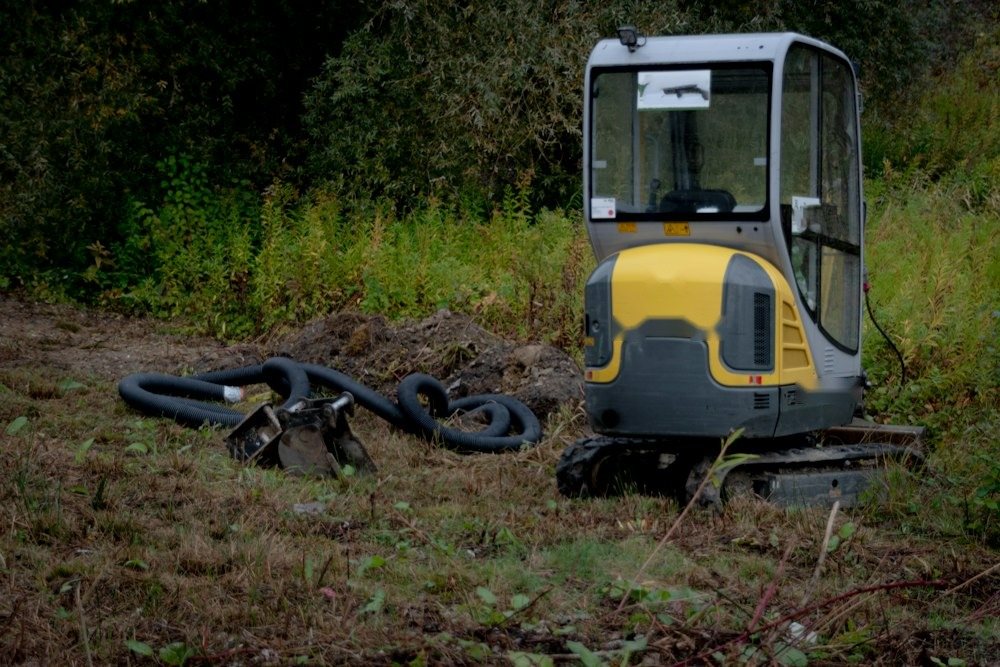
Brush, saplings, volunteer cedar and dead ash cleared to the footprint of a house, shop, drive or fence and no further. Big trees inside the footprint are priced one by one, with stumps ground on the same trip. We also tell you which bur oaks and hackberries will survive the grading.
Bottomland along the Loup and the Platte grown up in cottonwood saplings, box elder and dogwood, cedar-choked pasture, canal banks, and yards where one storm dropped many trees. The December 2021 derecho flattened whole shelterbelt rows near Platte Center. Wet bottoms stay soft for weeks, so we choose the timing.
Cost Planning
| Job size | Typical cost range |
|---|---|
| Light brush (per acre) | $1,500–$3,500 |
| Wooded (per acre) | $3,500–$8,000+ |
| Single lot under ½ acre | $1,200–$4,000 |
Ranges are typical for east-central Nebraska based on published industry cost guides; your written estimate reflects your specific tree and site.
Density sets the price: an acre of waist-high cedar is a different job from a dead shelterbelt with 60-foot cottonwoods in it. Sandy loam carries machines when dry and ruts when wet. Mulching in place costs least, full haul-off most, and a burn pile is possible only outside town with a fire-district permit.
The mulcher clears cedar and brush faster than hand crews and leaves a cleaner grade. The chipper and grapple take what it should not, like a four-foot cottonwood trunk or a walnut log worth saving. We are registered with the City of Columbus and insured.
Columbus bans burning (§ 91.18), and the South 14th Avenue yard-waste site is not built for an acreage of cedar, so in town we chip and truck it. Outside town, the fire chief or rural fire district issues burn permits and can refuse them on a windy day.
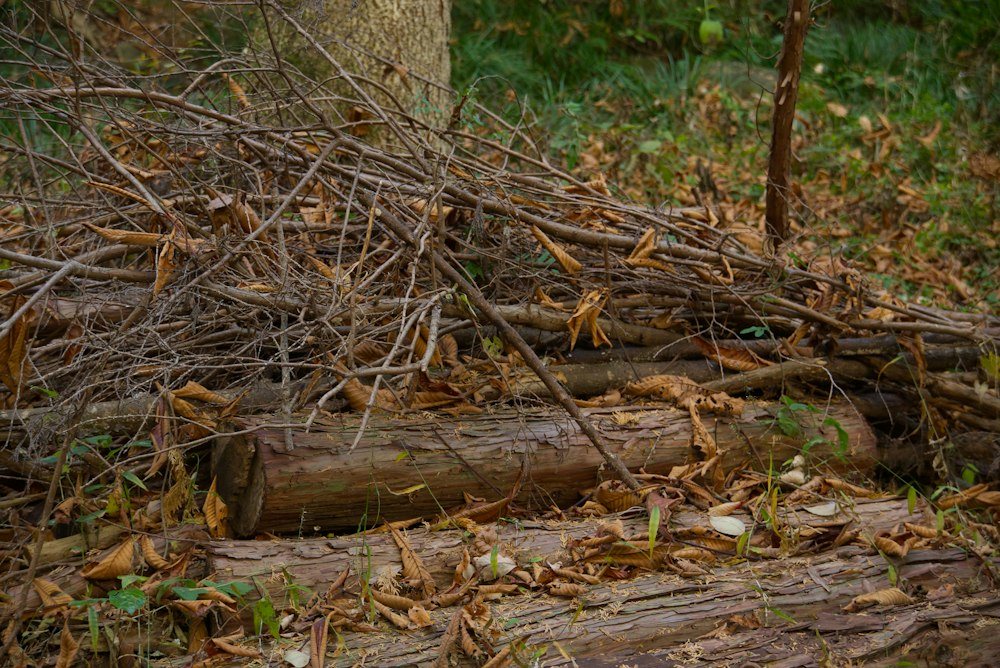
Mulch in place, haul it, burn it where the district allows, or keep the firewood; bur oak, hackberry and black walnut all burn well. We bury nothing on site and leave no felled trees in the brush.
Cottonwood, Siberian elm and cedar come back fast. In town, weeds over 12 inches are a nuisance the City cuts and bills after 10 days' notice (§ 92.03, § 92.46), and a lot-line tree blocking a sidewalk can go after 3 days (§ 94.002). We plan mowing or seeding with you and can grind the stumps.
Not for trees on private land, in the city or the county. Columbus regulates the aftermath instead: no burning (§ 91.18), weeds kept under 12 inches (§ 92.03), and nothing on the lot line blocking a sidewalk (§ 94.002). Outside town, get a burn permit before lighting a pile. Our permits guide has the full list.
Either one. Mulching on site is the cheaper route; hauling leaves bare, clean ground for more money. Inside Columbus those are the only choices. On county acreage a burn pile is a third option once the fire district issues a permit, weather and any burn ban allowing.
Removal is priced tree by tree. Clearing is priced by ground and thickness: acres covered, how dense the growth is and how big the trees in it are. Debris handling and stump grinding appear as their own lines, and a parcel under half an acre is priced as one lot.
Walk the ground with us for a free estimate, debris plan included.
Type a Platte County town or a ZIP code to check our coverage.